- +8618937185591
- +8618937185591
- ec19@zkcorp.com
- +8618937185591


The cement rotary kiln belongs to the building materials category and is a kind of lime kiln. Rotary kiln can be divided into cement rotary kiln, metallurgical chemical rotary kiln and lime rotary kiln according to different processing materials. Cement rotary kiln is the main equipment for cement clinker dry and wet production lines. When cement rotary kiln is used to produce cement, the different calcination methods have different effects on cement production, quality and sales volume.
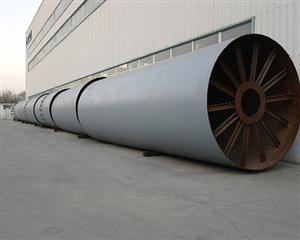
The cement rotary kiln belongs to the building materials category and is a kind of lime kiln. Rotary kiln can be divided into cement rotary kiln, metallurgical chemical rotary kiln and lime rotary kiln according to different processing materials. Cement rotary kiln is the main equipment for cement clinker dry and wet production lines. When cement rotary kiln is used to produce cement, the different calcination methods have different effects on cement production, quality and sales volume. In this article, ZK CORP will analyze it with you.
First, normal flame calcination: The calcination temperature in the cement rotary kiln is higher, the flame length is suitable, the flame is soft and powerful, and the fuel is burned more completely. The residence time of the clinker in the firing zone is suitable, the clinker clinker is fine, uniform, the color is normal, and the block is good. The mineral crystals of clinker are well developed, the crystal form is regular, the size is relatively uniform, the distribution is relatively uniform, the free calcium oxide is lower, and the clinker quality is higher. This calcination system has a higher temperature in the firing zone, but does not burn the kiln skin and lining. The technical and economic indicators such as kiln output, fuel consumption and fire brick life are better.
Second, short-flame burning: the kiln has a short flame and high temperature concentration. Usually, due to poor pre-burning of raw materials, the content of volatiles in coal combustion is too low, and it is limited by equipment conditions (such as the long diameter ratio of kiln is too short), forcing the firing zone to shorten, increasing the flame temperature, and rapidly completing the calcination of clinker process. Therefore, the residence time of the material in the firing zone is insufficient, the heat is uneven, the crystal size of the clinker mineral is disparate, the crystal form is irregular, the distribution is uneven, and the free calcium oxide tends to be high, which affects the quality of the clinker. Moreover, due to the high temperature concentration, it is easy to burn out the kiln skin and refractory materials, which is not conducive to the long-term safe operation of the kiln and affects various technical and economic indicators.
Third, high-temperature long-band calcination: It is a kind of high calcination that exceeds the heat transfer capacity of the kiln, which will increase the temperature of the exhaust gas, increase the consumption, reduce the quality of the clinker, and affect the long-term safe operation of the kiln.
Fourth, low-temperature long-band calcination: Refers to a calcination operation in which the flame in the kiln is longer and the temperature is lower than normal. Usually, due to the large exhaust in the kiln, the fuel burns slowly, and the volatile matter content of the coal is too high, which causes the flame to be elongated and the heat to be dispersed. At this time, the kiln's pre-burning ability is enhanced, and the residence time of the clinker in the firing zone is also prolonged, but the clinker mineral crystals tend to be small due to the low temperature. Therefore, although the free calcium oxide content in the clinker is low and the pass rate is high, the kiln output and fuel consumption are good, but the clinker strength is often low.
The addition of a mineralizer reduces the temperature at which the liquid phase appears. The cement rotary kiln firing zone ends late due to the early appearance of the liquid phase (some mineralizers also reduce the liquid phase viscosity and form an intermediate transition equal). In fact, the length of the firing zone is prolonged, the residence time of the material in the firing zone is increased, the lime absorption process is more sufficient, and the kiln production, clinker quality, and consumption are reduced.
Fast, professional and reliablewe provide you with services throughout the product ...

Email
ec19@zkcorp.com

Whatsapp
+8618937185591
Fast, professional and reliablewe provide you with services throughout the product . you with services t