- +8618937185591
- +8618937185591
- ec19@zkcorp.com
- +8618937185591


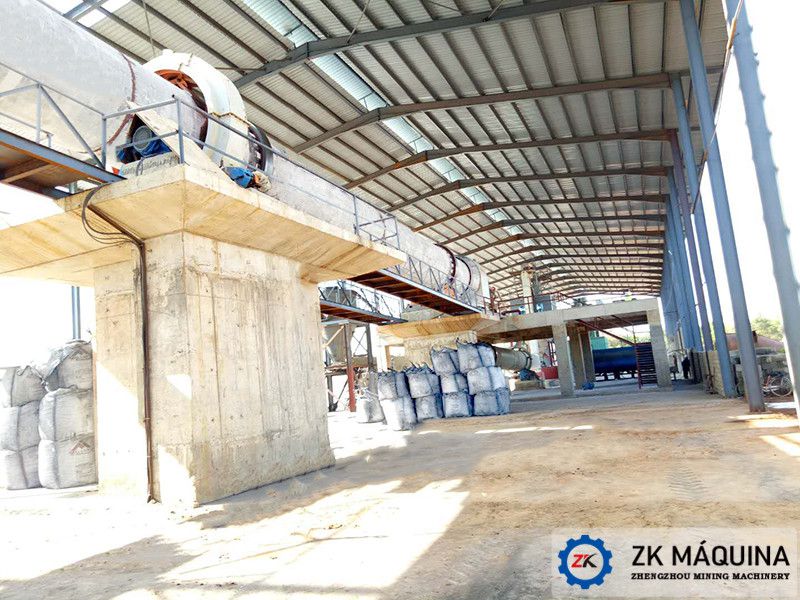
What are the structural differences between different types of rotary kilns? As a key piece of equipment in industrial production, rotary kilns are widely used in various fields such as lime, cement, bauxite, kaolin, titanium dioxide, magnesite, and metallic magnesium. Different types of rotary kilns have unique structural features to meet the specific production needs of their respective fields. The following section will discuss the differences between different types of rotary kilns in detail from the aspects of structural characteristics, components, and functions.
I. Lime Rotary Kiln
The lime rotary kiln is mainly used for the high-temperature calcination of limestone. It has a compact structure and a reasonable layout. The main components include the rotary kiln body, combustion system, preheating system, cooling system, conveying device, and control system. The kiln body of the lime rotary kiln is usually made of rolled steel plate, lined with refractory material, and its length and diameter are customized according to production needs. The kiln body is designed to be inclined, facilitating the tumbling and movement of materials inside the kiln. The combustion system uses advanced burners, achieving efficient combustion through precise control of the fuel-air mixing ratio. In addition, lime rotary kilns are equipped with preheating and cooling systems to improve energy efficiency and product quality.
II. Cement Rotary Kiln
Cement rotary kilns are the core equipment for cement clinker calcination, with a uniquely designed structure. Similar to lime rotary kilns, the kiln body of cement rotary kilns is also made of rolled steel plates lined with refractory materials, but the design is more complex. Cement rotary kilns are typically designed with one end higher and the other lower, allowing materials to move naturally from the high end (kiln tail) to the low end (kiln head). The combustion system is located at the kiln head, injecting fuel through burners to generate high-temperature flue gas for calcining the materials. Furthermore, cement rotary kilns are equipped with a complex preheating system to increase the temperature of the materials entering the kiln, thereby improving calcination efficiency. The control system monitors and regulates parameters such as temperature and pressure within the kiln to ensure the stability of the production process and product quality.
III. Bauxite Rotary Kilns
Bauxite rotary kilns are specifically designed for bauxite calcination processes, with a structure emphasizing scientific rigor and rationality. The kiln body is also made of rolled steel plates lined with refractory materials, but its length and diameter may be adjusted according to the properties of bauxite. The kiln's inclination and rotation speed are also precisely calculated to ensure that the material is heated evenly within the kiln and completes the calcination process. The combustion system typically uses high-efficiency burners, combined with a precise air supply system, to achieve complete fuel combustion and efficient heat transfer. Furthermore, the bauxite rotary kiln is equipped with an automatic control system that can monitor and adjust production parameters in real time, ensuring the stability of the production process and product quality.
IV. Kaolin Rotary Kiln
The kaolin rotary kiln is structurally similar to the bauxite rotary kiln, but it is optimized for the properties of kaolin. The kiln body also features an inclined design, allowing the material to move and tumble smoothly within the kiln. The combustion system employs high-efficiency combustion technology to ensure rapid and uniform calcination of the material at high temperatures. The kaolin rotary kiln is also equipped with advanced preheating and cooling systems to improve energy efficiency and product quality. Meanwhile, the control system is also meticulously designed to precisely control parameters such as temperature and pressure within the kiln, ensuring the stability of the production process and product quality.
V. Titanium Dioxide Rotary Kiln
The structure of the titanium dioxide rotary kiln is similar to the types of rotary kilns mentioned above, but it is specially designed for the production characteristics of titanium dioxide. The kiln body is made of rolled steel plates lined with refractory materials, and the inclination and rotation speed are adjusted according to the production requirements of titanium dioxide. The combustion system uses high-efficiency combustion technology to ensure complete combustion of fuel and generate high-temperature flue gas for calcining the materials. The titanium dioxide rotary kiln is also equipped with a precise control system and advanced dust removal equipment to ensure the stability of the production process and improve product quality.
VI. Magnesite and Magnesium Metal Rotary Kiln
The structural design of the magnesite and magnesium metal rotary kiln focuses on high-temperature calcination and uniform heating of the materials. The kiln body is also made of rolled steel plates lined with refractory materials, and its length and diameter are customized according to production requirements. The combustion system uses high-efficiency combustion technology to ensure that heat can be transferred to the materials quickly and evenly. Meanwhile, the kiln's inclination and rotation speed are precisely calculated to ensure that materials can fully tumble and move within the kiln, thus achieving a highly efficient calcination process. These rotary kilns are also equipped with advanced control systems and dust removal equipment to ensure production stability and improve product quality.
In summary, different types of rotary kilns each have their own structural advantages to meet the specific production needs of their respective fields. Each type of rotary kiln has undergone optimization and innovation in kiln body design, combustion systems, preheating systems, cooling systems, conveying devices, and control systems. These optimizations and innovations not only improve production efficiency and product quality but also reduce energy consumption and environmental pollution, promoting the sustainable development of related industries.
Fast, professional and reliablewe provide you with services throughout the product ...

Email
ec19@zkcorp.com

Whatsapp
+8618937185591
Fast, professional and reliablewe provide you with services throughout the product . you with services t