- +8618937185591
- +8618937185591
- ec19@zkcorp.com
- +8618937185591


The construction of the flue gas purification system in the waste incineration power plant is an environmentalprotection project with high investment in one-time investment and continuousoperation, accounting for about one-third of the total construction cost of thewaste power plant.
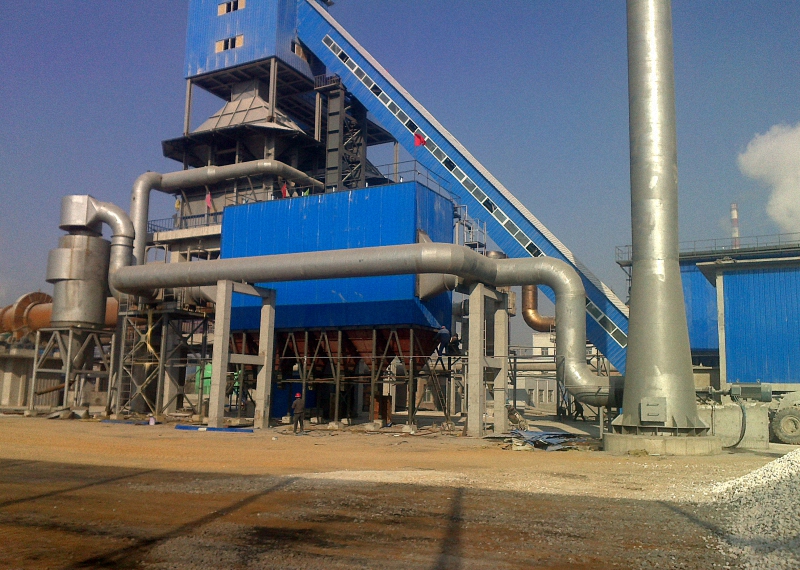
The construction of the flue gas purification system in the waste incineration power plant is an environmentalprotection project with high investment in one-time investment and continuousoperation, accounting for about one-third of the total construction cost of thewaste power plant. Therefore, how to combine scientific and reasonableselection of realistic flue gas purification technology is very important.
At present, there are various schemes forthe flue gas purification process in the waste incineration industry at homeand abroad, mainly for different combinations of deacidification systems anddedusting systems.
The acid gases generated in wasteincineration include HCl, SO2, etc. The method for removing acid gases can bedivided into three types: wet method, semi-dry method and dry method. Theirremoval efficiency for HCl is 98%, 90%, and 80%, respectively. The removalefficiency for SO2 is 95%, 80% to 90%, and 75%, respectively, and the excesscoefficient for absorbent consumption is 1, 2, and 3.
Obviously, the wet scrubbing method has abetter effect on the removal of acid gases. However, due to the sewagetreatment problem in the wet scrubbing method, the investment cost of thesystem is about 1.75 times that of the semi-dry system, and the operation andmaintenance costs are correspondingly increased.
The dry deacidification method is close tothe semi-dry method, but the acid gas removal effect is poor.
The biggest feature of the semi-dry methodis to make full use of the waste heat in the flue gas to evaporate the water inthe absorbent, and to purify the reaction product in the form of dry solids,thereby avoiding the disadvantages of the wet purification technology. Thepurification process is to reduce the flue gas from a higher temperature to aset temperature, and spray an alkaline absorbent to react with the acid gas inthe flue gas, and at the same time obtain a dry salt product, and then use adust remover to recycling.
The mass transfer heat transfer of thealkaline absorbent and the acid gas in the flue gas not only improves theefficiency, but also allows the reaction product to be dried to finally obtaina dry powdery product which is easy to handle. The semi-dry process is moremature, the equipment is simple, and the one-time investment is lower.
The advantages are: high purificationefficiency, simple process, less equipment; easy processing of the product, nosecondary pollution; control system temperature and humidity, can avoidequipment corrosion; no scaling, no blockage; good adaptability to loadfluctuation, absorbent The dosage can be adjusted according to theconcentration of pollutants in the flue gas; the operation is convenient, themaintenance amount is small; the water consumption is small, and the floorspace is small.
Semi-dry deacidification has goodapplication practice, and the performance of incineration plants at home andabroad shows that it has high reliability and good performance.
Fast, professional and reliablewe provide you with services throughout the product ...

Email
ec19@zkcorp.com

Whatsapp
+8618937185591
Fast, professional and reliablewe provide you with services throughout the product . you with services t